

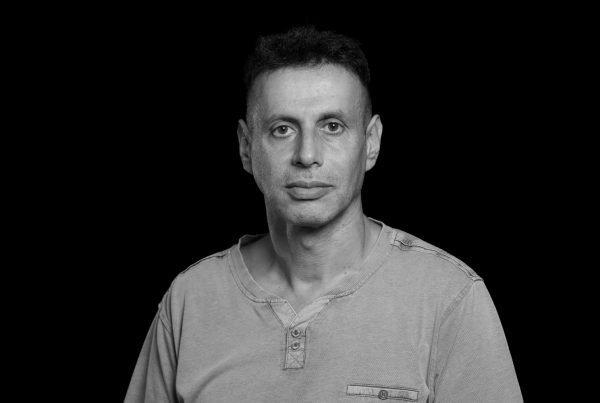
After obtaining a PhD for research on fruit fly DNA-binding proteins (CID-CSIC, Barcelona), I started to study malaria parasites. Following research stays at Swiss TPH (Basel) and WEHI (Melbourne), I worked for four years as head of the Molecular Parasitology lab at the Papua New Guinea IMR (Madang), where my research focused on basic malaria parasite biology as well as on malaria molecular epidemiology. Back to Europe, I joined the MRC-NIMR (London) as a postdoctoral researcher for two and a half years to study gene expression and erythrocyte invasion by malaria parasites. In 2006, I moved to IRB Barcelona with an ICREA junior contract. In 2011, I joined CRESIB-ISGlobal (Barcelona) as an Assistant Research Professor, and in 2012 I was appointed ICREA Research Professor. My research at ISGlobal focuses on diverse aspects of malaria parasite biology that are relevant to understanding disease transmission and parasites adaptation to changes in their environment.
Research interests
The central research interest of my team at ISGlobal is the regulation of gene expression in the malaria parasite Plasmodium falciparum. We investigate the mechanisms and functions of epigenetic variation, including the chromatin alterations that lead to spontaneous changes in gene expression and the role of epigenetic variation in the adaptation of parasite populations to changes in their environment. We also study the transcriptional regulation of specific processes, such as sexual conversion and the heat-shock response. Sexual conversion is the developmental decision by which parasites switch from asexual replication, associated with malaria disease, to sexual development, which results in the formation of infective gametocytes (the only parasite stage that can mediate human-to-mosquito vector transmission). A major aim of our work is to understand how parasites regulate sexual conversion rates to adjust their relative investment in transmission to the conditions of the environment.
Selected publications
- Pérez-Cantero A, Llorà-Batlle O, Pelaez-Conde I, Martínez-Guardiola C & Cortés A 2025, 'Heterochromatin de novo formation and maintenance in Plasmodium falciparum', Plos pathogens, 21 - 6 - e1013137.
Selected research activities
-Invited conferences at the University of Munich (Munich, Germany) and IRB Barcelona (Barcelona, Spain).
-Appointed member of the Wellcome Trust evaluation panel Pathogen Biology and Disease Transmission Discovery Advisory Group (DSV02). Three meetings per year in London (UK).
-Principal Investigator of a new Pilot Research Project grant (call for single-cell research projects), part of the ISGlobal Severo Ochoa grant (CEX2023-0001290-S, MCIN/AEI). Title: “Dissecting Plasmodium falciparum sexual conversion at the single-cell level”. Total grant amount: €25,000.
-Singleron-Diagnostica Longwood competitive grant to use the Singleron system for single-cell transcriptomics in malaria research. The grant covered all reagents, materials and sequencing costs.
-New collaboration with the J. Bryant lab at Institut Pasteur (France) to use the Micro-C technique. A Boehringer Ingelheim Fonds travel grant was awarded to a member of my team (Anna Oncins) for a research stay at the Bryant lab.
-Two new preprints posted on bioRxiv:
Y. Drissi-El Boukili et al., A. Cortés, G. Caljon & A. Rosanas-Urgell, 2025, “Elevated Plasmodium falciparum sexual conversion in HbAC and HbAS red blood cells without altered IgG/IgM levels to trophozoite and stage I gametocyte-specific antigens”, bioRxiv, doi: https://doi.org/10.1101/2025.11.15.688532.
N. Ràfols et al. & A. Cortés, 2025, “Thermal and non-thermal stress conditions activate the Plasmodium falciparum AP2-HS-dependent heat-shock response”, bioRxiv, doi: https://doi.org/10.1101/2025.11.24.690237.
-Our laboratory was relocated from Centre Esther Koplowitz to Parc Científic de Barcelona.