

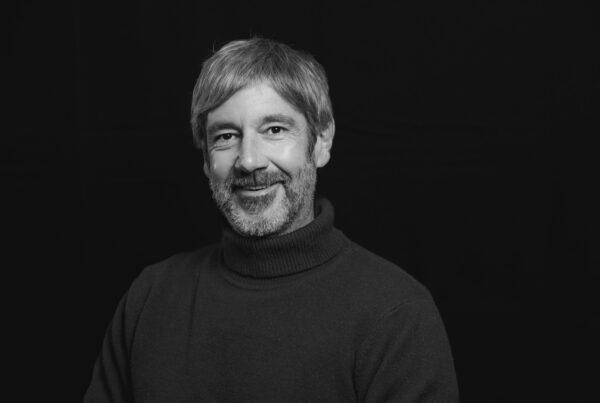
After completing my graduate and postgraduate studies in Rome, I earned my Ph.D. in African Archaeology from University College London (UCL) in 2012. I have since pursued a transdisciplinary career, blending archaeology, anthropology, and environmental science. In 2015, I was appointed Honorary Fellow at the School of Geography, Archaeology, and Environmental Studies at the University of the Witwatersrand (Johannesburg, South Africa). As the Principal Investigator of the European Research Council (ERC)-funded project CAMP (Reconstructing the Archaeology of Mobile Pastoralism: Bringing the Site Level into Long-Term Pastoral Narratives), I am pioneering an innovative methodology for studying pastoral archaeological sites. Since 2022, I have also been a member of the Equality and Diversity Commission of the Faculty of Humanities at UPF.
Research interests
My research focuses on the archaeology and ethnoarchaeology of drylands, exploring innovative approaches that bridge high-level theoretical questions with archaeological data. Throughout my career, I have designed projects aimed at debunking the traditional paradigm that equates aridity with abandonment, a notion that unfortunately underlies many approaches used to explain past cultural trajectories. The archaeology of drylands has predominantly concentrated on major settlements with permanent or semi-permanent water resources, such as oases or river systems. However, I have demonstrated that the "outside world," often positioned at the periphery of these sedentary centers, has been a site of significant development and innovative land-use practices.
Selected publications
- Biagetti S 2025,'The long road: Ethnoarchaeology, pastoralism and the reconfiguration of archaeological knowledge', Cambridge Prisms: Dryland, 2 - e15.
Selected research activities
In 2025, we spent several weeks abroad conducting intensive fieldwork. I also planned a new fieldwork campaign in Argentina, where our research protocol will be applied to the pastoral landscapes of the Andes, opening the project to a new ecological and cultural context.
While fieldwork and its preparation have occupied much of my time, this period has also been marked by exciting intellectual progress. Several papers are now forthcoming, all presenting the first results of my ERC project, alongside a major chapter on the archaeology of pastoralism in the first handbook on pastoralism ever published.
As we move forward, this convergence of fieldwork, data, and dissemination feels particularly timely. 2026—the Year of Rangelands and Pastoralists—offers the perfect moment to celebrate pastoral worlds, their deep histories, and their relevance for the future.