

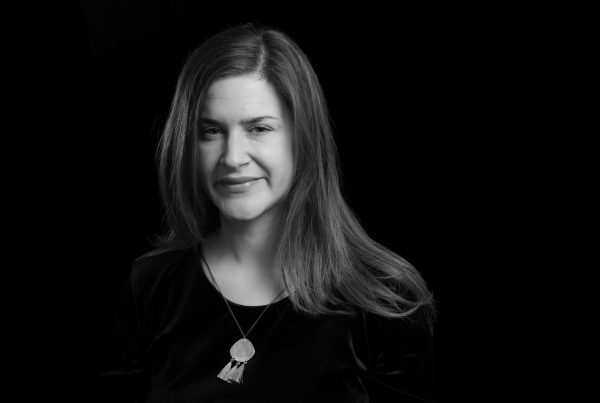
Rachel obtained a PhD in Mathematics at the University of Exeter in 2010. Her thesis focused on spatiotemporal modelling of dengue epidemics in Brazil. She held postdoctoral positions at the UNESCO-IAEA International Centre for Theoretical Physics in Italy and the Catalan Institute for Climate Sciences in Spain, working at the interface of climate prediction science and public health decision-making. In 2017 she was awarded a Royal Society Dorothy Hodgkin Fellowship, which allowed her to create the Planetary Health & Infectious Diseases Lab at the London School of Hygiene & Tropical Medicine (LSHTM). Rachel now leads the Global Health Resilience group at the Barcelona Supercomputing Center (BSC). Between 2021-2024, she served as Director of the Lancet Countdown in Europe, a transdisciplinary collaboration tracking progress on health and climate change. In 2025, Rachel was nominated as a lead author of the IPCC Seventh Assessment Report health and wellbeing chapter.
Research interests
Rachel’s research involves modelling the impact of environmental change on infectious disease epidemics, to inform disease control and prevention strategies. She has published high impact research on modelling climate-sensitive disease risk, with a focus on integrating seasonal climate forecasts in dengue early warning systems in Latin America, the Caribbean and Southeast Asia. Her group works on diverse projects including disentangling the role of land-use change and socio-economic pressures on malaria resurgence in the Amazon, modelling zoonotic disease risk at the human-animal-environment interface, and understanding the role of climate, cities and spatial connectivity on dengue transmission regimes. In 2018, she won the International Society for Neglected Tropical Diseases Water Award for Research, in recognition of the quality of her research on the linkages between hydrometeorological extremes and dengue outbreaks and the multi-sectoral relevance for policy and practice.
Selected publications
- Lowe R & Codeço CT 2025, 'Harmonizing Multisource Data to Inform Vector-Borne Disease Risk Management Strategies', Annual review of entomology, 70 - 337 - 358.
- Fanelli A, Cescatti A, Ciscar JC, Dubois G, Ibarreta D, Lowe R, Riccetti N, Robuchon M, Capua I, Szewczyk W & Massaro E 2025, 'Assessing the risk of diseases with epidemic and pandemic potential in a changing world', Science advances, 11 - 30 - eadw6363.
- Alcayna T, Kellerhaus F, Tremblay L, Fletcher C, Goodermote R, Santos-Vega M, Chaves-Gonzalez J, Bailey M, Rao VB & Lowe R 2025, 'Integrating anticipatory action in disease outbreak preparedness and response in the humanitarian sector', Bmj global health, 10 - 7 - e017721.
- Quandelacy, TM et al. 2025, 'Synchronized dynamics of dengue across the Americas', Science translational medicine, 17 - 812 - eadq4326.
- Alcayna T, Rao VB & Lowe R 2025, 'Identifying the climate sensitivity of infectious diseases: a conceptual framework', Lancet planetary health, 9 - 8 - 101291.
- Fletcher C, Moirano G, Alcayna T, Rollock L, Van Meerbeeck CJ, Mahon R, Trotman A, Boodram LL, Browne T, Best S, Lührsen D, Diaz AR, Dunbar W, Lippi CA, Ryan SJ, Colón-González FJ, Stewart-Ibarra AM & Lowe R 2025, 'Compound and cascading effects of climatic extremes on dengue outbreak risk in the Caribbean: an impact-based modelling framework with long-lag and short-lag interactions', Lancet planetary health, 9 - 8 - 101279.
- Finch E, Chang CC, Kucharski A, Sim S, Ng LC & Lowe R 2025, 'Climate variation and serotype competition drive dengue outbreak dynamics in Singapore', Nature communications, 16 - 1 - 11364.
Selected research activities
- City of Barcelona Award in Environmental and Earth Sciences.
- Appointed Visiting Professor at the National University of Singapore Saw Swee Hock School of Public Health.
- Scientific Lead of new European Space Agency funded project Climate–Health Adaptation through New Generation Earth Observations.
- Selected Lead Author of the IPCC AR7 health and wellbeing chapter.